Flooring has a major influence on how a room looks, feels and functions. It needs to complement your home's design, but it also has to cope with everyday use, cleaning and, in some rooms, regular exposure to water.
Whether you're updating a single room or planning a full house renovation, choosing the right material early can help avoid costly changes later. Here's a practical guide to the main options and the factors worth considering before installation.
1. Solid Wood and Engineered Wood Flooring
Wood flooring brings natural warmth and character to a room. It works particularly well in living rooms, dining rooms and bedrooms, where its grain and texture can become part of the overall design.
Solid wood is made from a single piece of timber and can often be sanded and refinished over time. However, it responds to changes in temperature and humidity, making it less suitable for some locations and floor constructions.
Engineered wood has a real timber surface bonded to supporting layers. It is generally more dimensionally stable and can be a practical choice for renovations. Certain engineered boards can also be installed with underfloor heating, subject to the manufacturer's specification.
Neither option should automatically be assumed suitable for wet areas. Moisture exposure, subfloor condition and the particular product's installation requirements all matter.
2. Laminate Flooring
Laminate is a popular choice for homeowners who want the appearance of timber without the cost and maintenance associated with some real-wood floors.
It is available in a wide range of colours, plank sizes and finishes, making it versatile for bedrooms, living spaces and hallways. Many products have a durable wear layer that copes well with everyday foot traffic.
However, standard laminate can be damaged by standing water or moisture entering the joints. Some ranges offer improved water resistance, but it is important to check exactly what the manufacturer guarantees before using them in kitchens or other moisture-prone rooms.
A well-prepared, level subfloor and the correct underlay are essential for a good finish.
3. Luxury Vinyl Tile and Sheet Vinyl
Luxury vinyl tile (LVT) and sheet vinyl are practical options where easy cleaning and moisture resistance are priorities.
LVT is available in wood- and stone-effect designs, including individual planks or tiles. It can be a useful choice for kitchens, utility rooms and busy family spaces, provided the specified product and installation method are suitable for the room.
Sheet vinyl can offer a more budget-conscious solution and, with properly detailed edges and joints, a relatively straightforward surface to maintain.
Both finishes depend heavily on the quality of the subfloor. Imperfections underneath may show through or affect the finished installation, particularly with thinner products. Wet-room suitability should always be checked against the particular product and installation system.
4. Porcelain and Ceramic Tiles
Tiles are a strong option for kitchens, bathrooms, entrance halls and other areas that need a robust, easy-to-clean finish.
Porcelain tiles are typically dense and have low water absorption, while ceramic tiles offer a broad range of colours, patterns and finishes. The choice should reflect the room, the level of wear expected and the product's technical rating.
In bathrooms and other areas where water is likely, consider slip resistance as well as appearance. Large-format tiles can create a clean, uncluttered look, but they require careful subfloor preparation and accurate fitting.
Tiles are also often well suited to underfloor heating because they transfer heat effectively. Appropriate adhesives, movement joints and waterproofing details are important to a durable installation.
5. Carpet
Carpet remains a comfortable option for bedrooms, stairs and certain living rooms. It can provide a softer surface underfoot and help reduce noise within a home.
There is a wide choice of fibres, pile styles and colours. For high-traffic areas such as stairs and hallways, durability and ease of cleaning are often more important than choosing solely by texture.
Carpet is generally less practical in kitchens, bathrooms and utility rooms, where spills and moisture are common.
If you have underfloor heating, the combined thermal resistance of the carpet and underlay must be considered. Choose products specifically approved for your heating system rather than assuming any thick carpet will work.
How to Choose Flooring for Different Rooms
Rather than selecting one material for the entire home, consider how each space is used.
- Kitchen: Durable, easy-to-clean finishes such as suitable porcelain tiles or LVT are often practical choices.
- Bathroom: Prioritise moisture resistance, slip resistance and an appropriate waterproofing system. Porcelain tiles and selected vinyl products may be suitable.
- Living room: Engineered wood, laminate, carpet or tiles can all work, depending on the style of the home and the level of foot traffic.
- Bedroom: Carpet can offer comfort, while wood-effect or engineered flooring creates a simpler, easy-to-style appearance.
- Hallway and utility room: Look for hard-wearing materials that are straightforward to clean and able to cope with shoes, dirt and regular use.
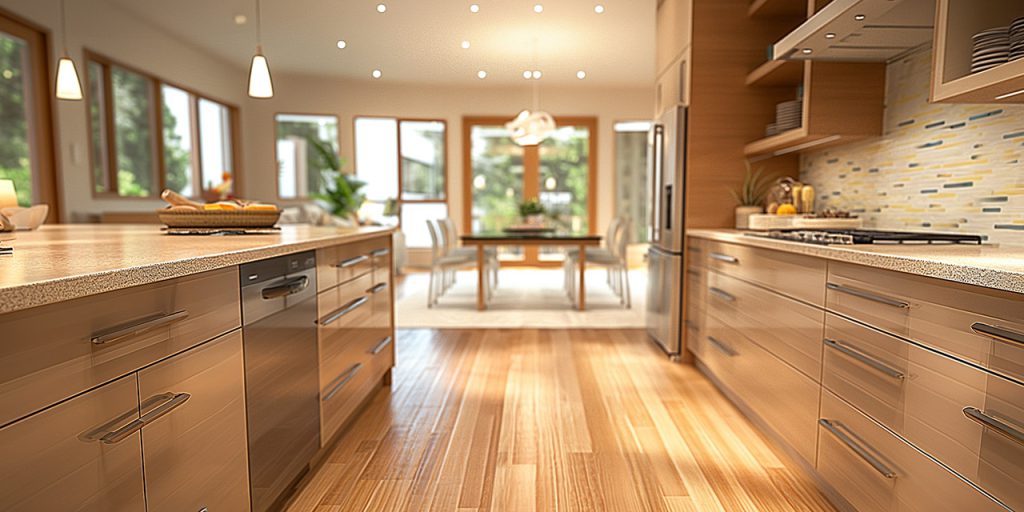
For an open-plan kitchen and living area, a continuous floor finish can create a more cohesive appearance. It still needs to meet the practical requirements of the kitchen area.
Remember the Subfloor and Installation Details
The finished flooring is only one part of the project. Before committing to a material, check the condition of the existing floor and the preparation required beneath it.
Uneven surfaces, damp, movement in timber floors and unsuitable existing coverings may need attention before installation. You should also consider the total floor build-up, especially where new finishes meet existing door thresholds or stairs.
During a larger renovation, coordinating flooring with changes to walls, plumbing, kitchens and doorways helps achieve a better final result and reduces rework.
Is Your Flooring Suitable for Underfloor Heating?
If you're installing or retaining underfloor heating, flooring compatibility should be confirmed before you buy.
Tiles generally transfer heat efficiently. Certain engineered timber, laminate and vinyl products can also be suitable, while carpet and underlay need an appropriately low combined thermal resistance.
Always check the specific flooring and heating system manufacturers' requirements, including permitted floor temperatures, underlay, adhesives and installation methods. Suitability cannot be determined reliably from the material category alone.
Planning Flooring as Part of a Home Renovation?
The right flooring should support both the appearance of your home and the way you use it. Considering durability, maintenance, moisture, comfort and installation requirements early will help you choose a finish that continues to work well over time.
At 4 Dimension Construction, we undertake house renovations and extensions across Hertfordshire and North London, helping homeowners plan coordinated improvements to their living spaces.
Whether you're updating several rooms or planning a larger renovation, we can discuss how the flooring fits into your overall project.
Start Your Project to discuss your renovation plans.