Open-plan living has become a popular choice for homeowners looking to create brighter, more spacious and versatile interiors. By removing unnecessary internal walls or extending an existing property, it's possible to transform separate rooms into a connected space that better suits modern family life.
Whether you're considering an open-plan kitchen and dining area or a larger renovation, understanding the benefits and practical considerations can help you decide whether it's the right approach for your home.
1. Make Better Use of Available Space
One of the main benefits of open-plan living is the opportunity to make an existing home feel more spacious without necessarily increasing its footprint.
Removing internal walls between a kitchen, dining room and living area can improve the flow between spaces and make previously separated rooms feel more connected.
For properties with smaller or awkwardly arranged rooms, an open-plan layout can also make furniture placement more flexible and improve how the available floor space is used.
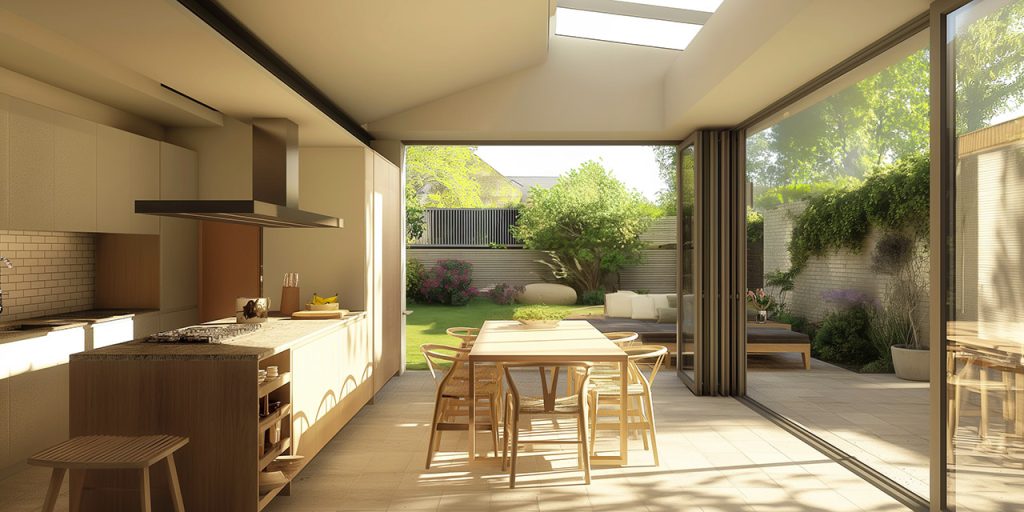
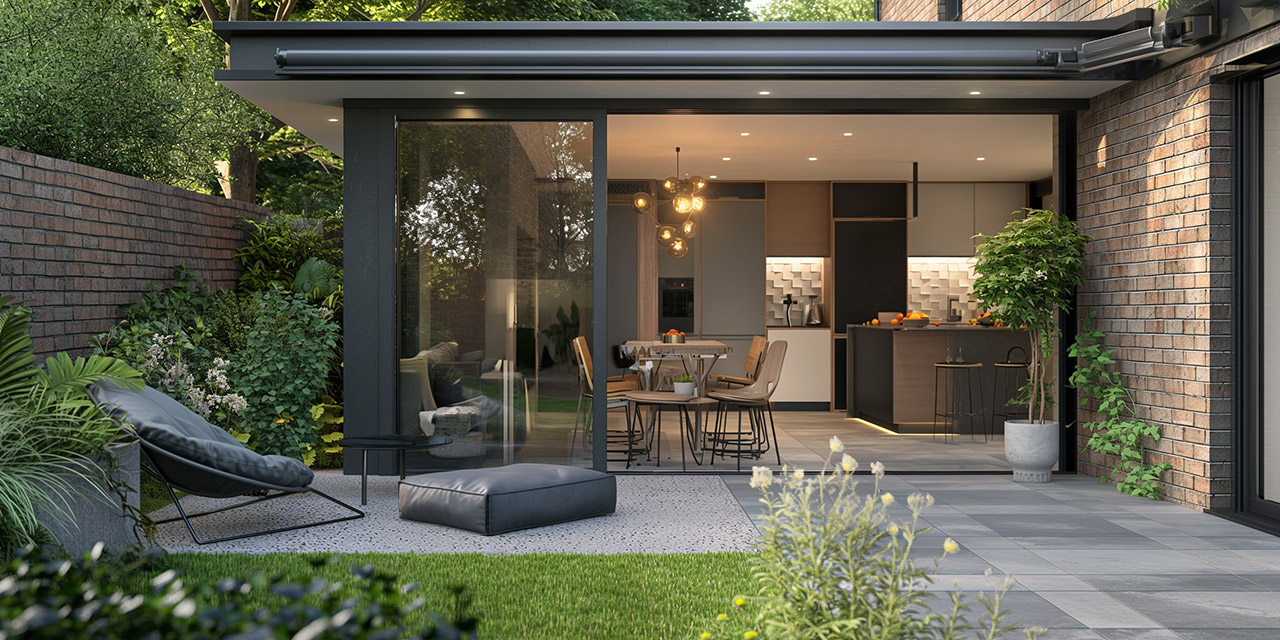
Where additional room is needed, combining an open-plan layout with a rear or kitchen extension can create a generous living area with a strong connection to the garden.
2. Create a More Sociable Living Environment
An open-plan layout brings different activities together, allowing family members to spend time in the same space while doing different things.
For example, parents can prepare meals while children complete homework at the dining table, or guests can gather around a kitchen island without being separated from the main living area.
This connected arrangement can make everyday life more convenient and entertaining more relaxed.
However, it's worth considering how your household uses its living spaces. Some families may prefer to retain a separate lounge or quiet room alongside the main open-plan area.
3. Bring More Natural Light Into Your Home
Traditional room layouts can restrict the movement of natural light, particularly in properties with smaller windows or rooms positioned towards the centre of the house.
Opening up the layout allows daylight from existing windows to reach further into the home, creating a brighter and more welcoming environment.
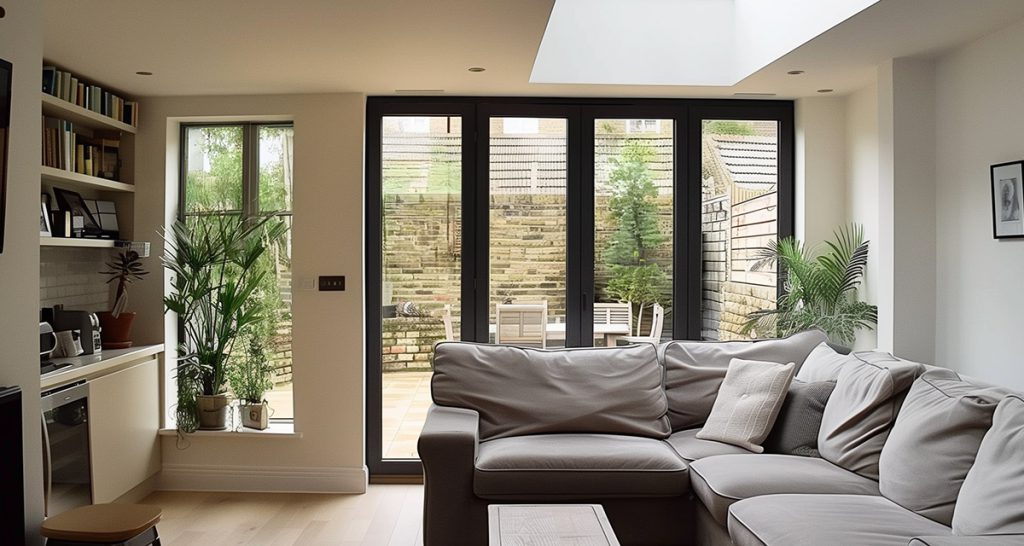
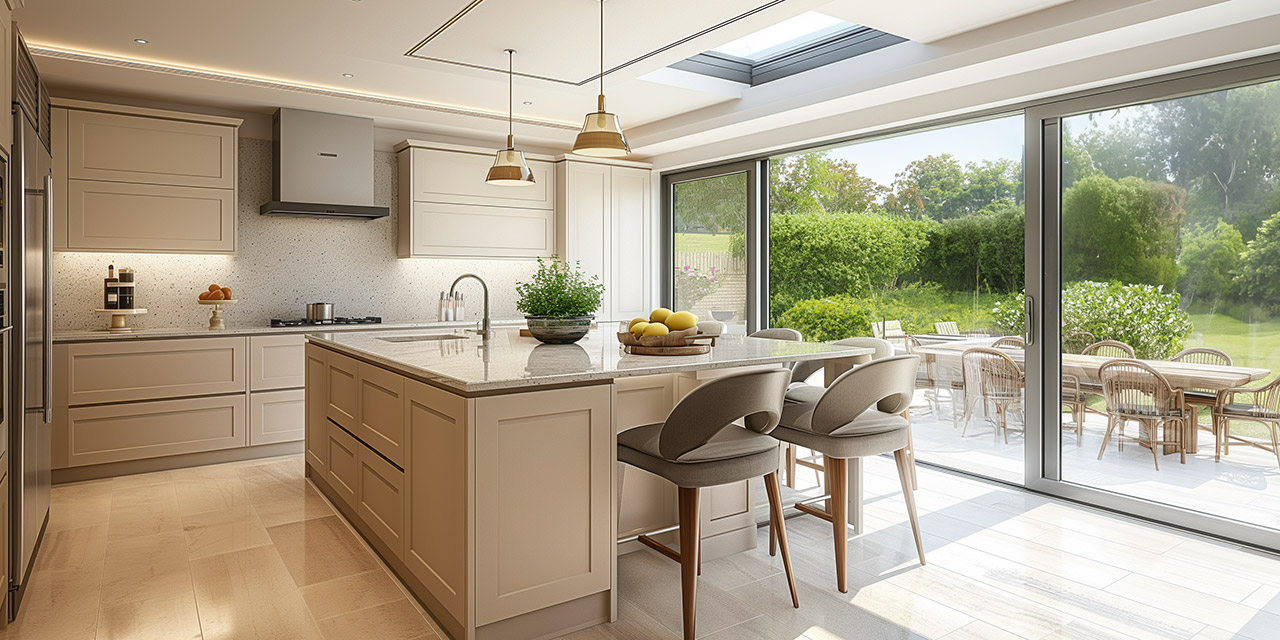
If you're planning an extension, there are additional opportunities to introduce natural light through large glazed doors, rooflights or carefully positioned windows.
For example, a rear kitchen extension with sliding or bifold doors can create a visual connection between the kitchen, dining area and garden.
Window placement should also consider privacy, summer overheating and the overall energy performance of the property.
4. Enjoy Greater Flexibility in Your Layout
Open-plan living provides flexibility in how you arrange and use your home.
Rather than having individual rooms with fixed purposes, a larger shared space can accommodate several activities.
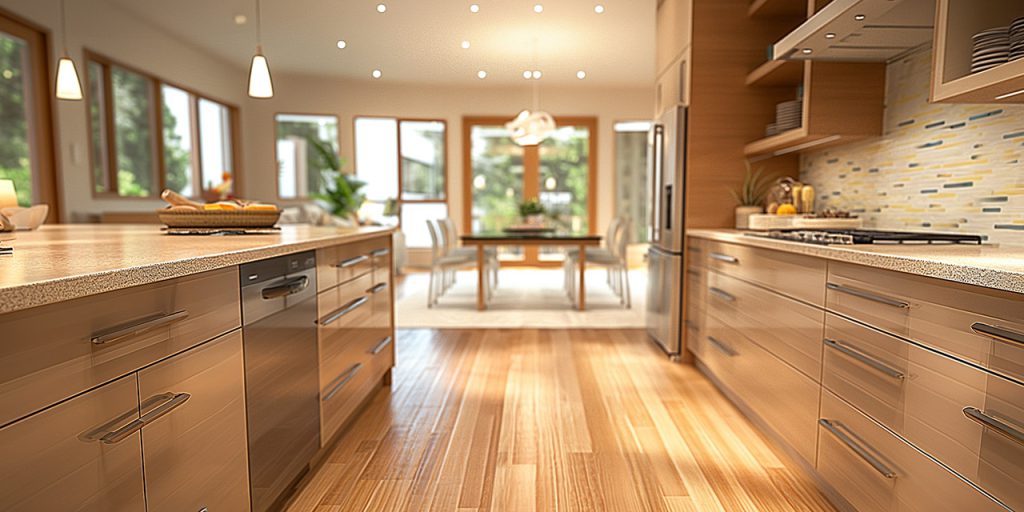
A kitchen island might define the cooking area, while a dining table creates a natural transition towards a comfortable seating area.
You can also establish different zones through:
- Changes in lighting and furniture placement
- Consistent flooring throughout the space
- Rugs and soft furnishings to define seating areas
- Kitchen islands or breakfast bars
- Built-in storage and shelving
These features help create distinct areas without losing the open, connected feel.
A well-planned layout should balance openness with practical requirements such as circulation, storage and comfortable furniture placement.
5. Enhance the Appeal of Your Property
A thoughtfully designed open-plan layout can make a home more attractive to potential buyers, particularly where it creates a spacious kitchen and family living area.
Modern kitchens, good natural lighting and a practical connection to outdoor spaces are features that many buyers appreciate.
However, open-plan living doesn't automatically increase a property's value. The outcome depends on factors such as the quality of the work, the property's location and the balance of living spaces.
Removing too many separate rooms may not suit every household or property type.
The priority should be creating a layout that works well for your needs while remaining practical and adaptable.
Design Tips for a Successful Open-Plan Space
Creating an attractive open-plan room involves more than removing walls. The finishes, lighting and services should all work together to make the space comfortable and functional.
Choose Consistent Flooring
Using the same flooring across the kitchen, dining and living areas can create a sense of continuity.
Engineered wood, luxury vinyl flooring and porcelain tiles are popular options, although the most suitable material will depend on durability, maintenance and how the room is used.
Plan Your Lighting in Layers
An open-plan space often benefits from several types of lighting.
Pendant lights can help define a dining table or kitchen island, while recessed ceiling lights provide general illumination. Wall lights and lamps can create a softer atmosphere in seating areas.
Separate lighting circuits allow different parts of the room to be used independently.
Think About Heating and Ventilation
Larger connected spaces need an effective heating and ventilation strategy.
Underfloor heating may be worth considering during a substantial renovation, particularly where new flooring is being installed.
In open-plan kitchens, suitable extraction is important to control cooking moisture and odours and maintain good indoor air quality.
Include Enough Storage
An open-plan layout leaves fewer walls available for cupboards and shelving.
Consider incorporating storage into the kitchen design, using fitted cabinetry or creating dedicated storage areas to help prevent the room from becoming cluttered.
What to Consider Before Creating an Open-Plan Living Space
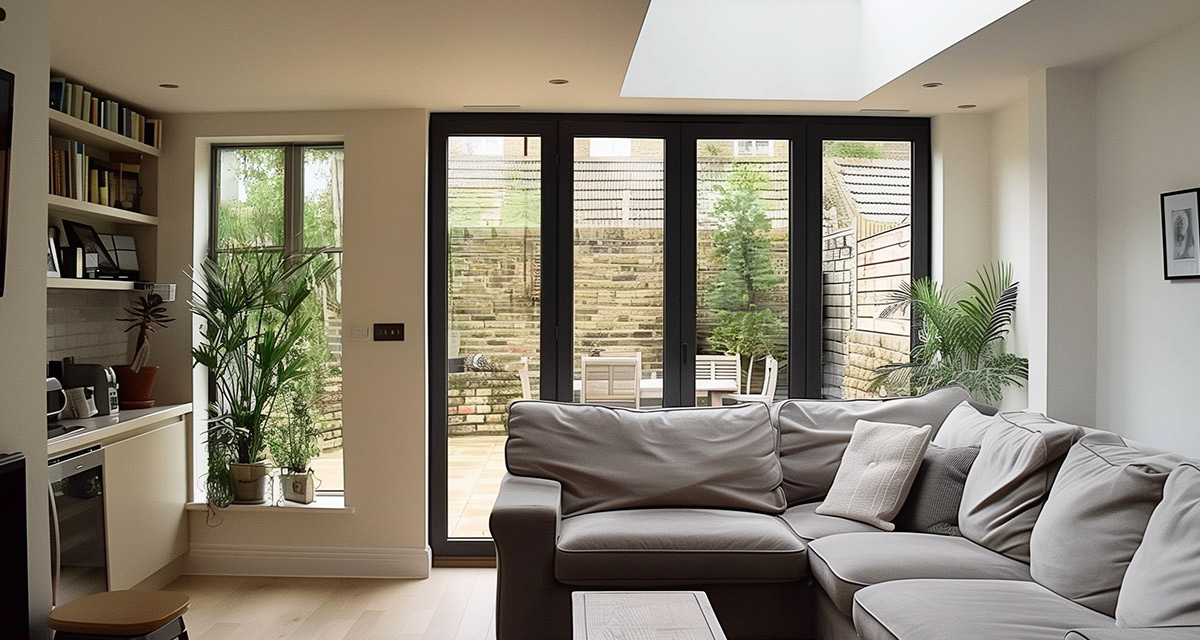
Although open-plan living offers several advantages, structural alterations require careful assessment and planning.
Removing Load-Bearing Walls
Not every internal wall can simply be removed.
Some walls support floors, roof structures or walls above them. Where a load-bearing wall needs to be removed, a structural engineer will normally need to assess the existing structure and specify appropriate support, often involving a steel beam.
The work must be planned and carried out correctly to maintain the building's structural stability.
Building Regulations and Fire Safety
Removing an internal wall or forming a new opening may require Building Regulations approval.
Structural safety, fire protection and means of escape are particularly important, especially if the alterations create an open-plan kitchen connected to a staircase.
Even where a wall is not load-bearing, its removal can affect fire safety or ventilation.
Planning permission is not normally required solely for internal alterations to an ordinary house, but additional requirements may apply to listed buildings or projects involving extensions.
Noise and Privacy
One potential disadvantage of open-plan living is that sound travels more easily between different areas.
Televisions, kitchen appliances and conversations can compete within the same room.
Soft furnishings, rugs and acoustic treatments can help reduce noise, while retaining a separate room elsewhere in the house can provide a quieter space when needed.
Establish a Realistic Budget
The cost of creating an open-plan layout depends on the extent of the alterations.
Removing a simple non-load-bearing partition is considerably different from taking out a structural wall, relocating plumbing or extending the rear of a property.
Allow for structural work, electrical and plumbing alterations, heating, flooring, plastering and final decoration when planning your budget.
Understanding the full scope of the project before work begins can help reduce unexpected costs.
Transforming Your Home with Open-Plan Living
Open-plan living can make a significant difference to how your home looks, feels and functions. From improving natural light to creating a more sociable environment, a carefully designed layout can help you make better use of your existing space.
At 4 Dimension Construction, we undertake house renovations and extensions across Hertfordshire and North London, helping homeowners create practical living spaces suited to their properties and lifestyles.
Whether you're considering removing internal walls, creating an open-plan kitchen or extending your home, our team can help you explore the possibilities.
Start Your Project to discuss your renovation or extension project.